
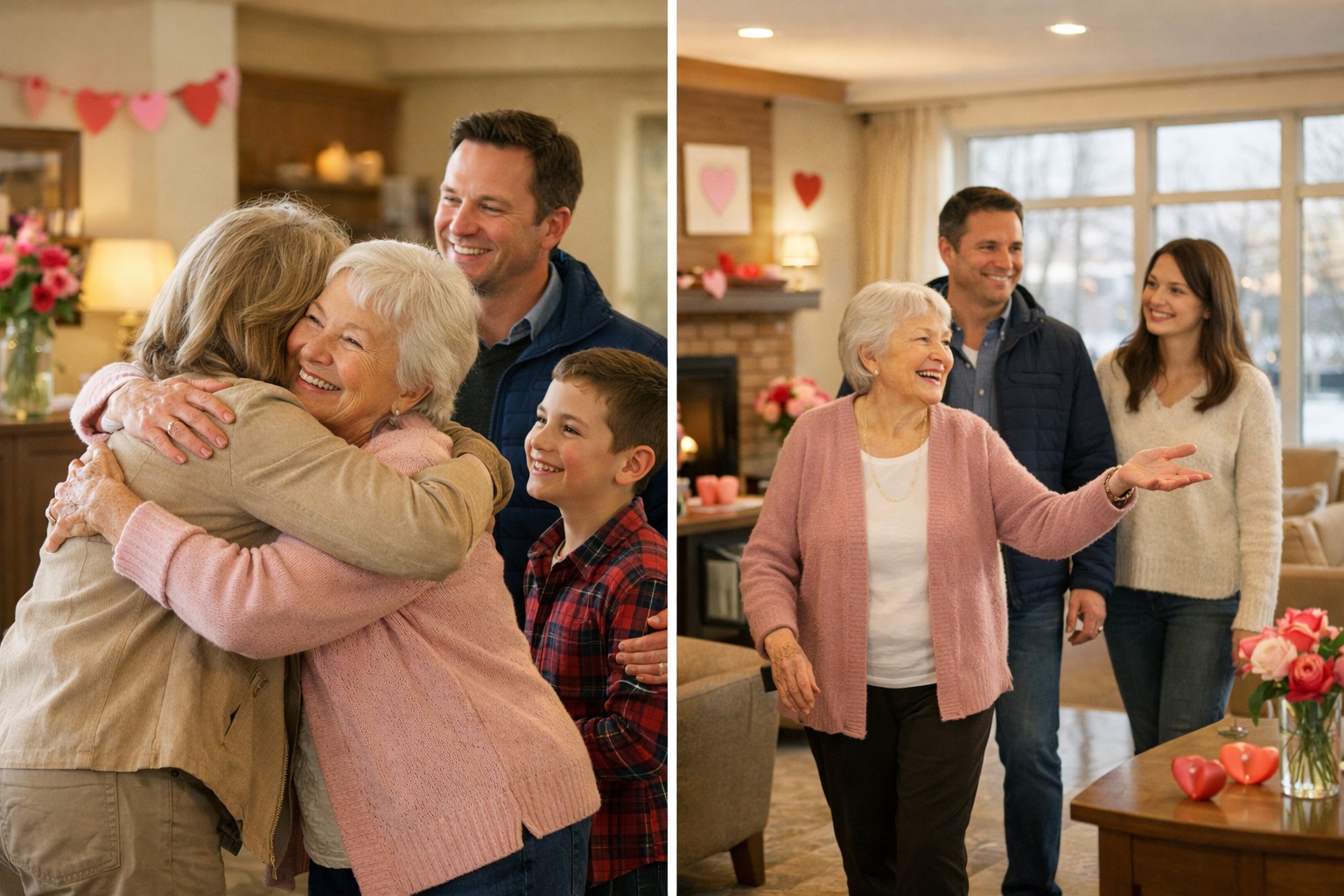
Winter has a way of shrinking our world.
The days get shorter. The air gets colder. Plans feel harder to keep. And before we realize it, we are spending more time indoors, more time alone, and less time feeling truly connected. Cabin fever is real, and it is not just about being bored or restless. It is about what happens to us when connection fades.
This time of year can feel quiet in a way that is not always peaceful. For many people, winter brings subtle changes in mood, energy, and motivation. Understanding why that happens can help us respond with a little more intention and a little more kindness toward ourselves.
What Cabin Fever Really Is
Cabin fever is not a formal medical diagnosis, but the experience behind it is very real. It often shows up as irritability, low mood, restlessness, trouble sleeping, or a feeling of disconnection from the world outside.
Winter creates the perfect conditions for these feelings to surface:
- Less sunlight can affect mood and energy
- Cold weather limits outdoor activity
- Shorter days disrupt routines
- Social plans are easier to cancel or postpone
Over time, isolation can quietly creep in. And isolation is not just uncomfortable. It has real effects on mental and physical health.
The Science of Connection
Humans are wired for connection. From the moment we are born, our brains develop through relationships. That need does not disappear with age.
Research consistently shows that social connection helps:
- Lower stress hormones like cortisol
- Support immune function
- Reduce feelings of anxiety and depression
- Protect memory and cognitive health
- Improve overall quality of life
When we connect with others, our brains release chemicals such as oxytocin and dopamine. These help us feel calm, safe, and motivated. Even brief interactions can trigger these responses. A shared laugh. A conversation over coffee. A familiar face.
Connection does not need to be deep or complicated to be meaningful. It just needs to be genuine.
Why Winter Makes Connection Harder
Winter often disrupts the rhythms that naturally keep us social. When it is dark earlier and cold outside, staying home feels easier. Over time, the effort it takes to engage with others can feel heavier than it should.
This can create a cycle:
- Less activity leads to lower energy
- Lower energy leads to fewer social interactions
- Fewer interactions increase feelings of isolation
Breaking that cycle does not require doing everything. It requires doing something.
Small Connections Matter
One of the most encouraging things about connection is that it does not have to be constant or intense to make a difference. Small, consistent interactions have a powerful impact.
That might look like:
- Saying hello to someone you see regularly
- Joining a group activity for a short time
- Sitting with others during meals instead of eating alone
- Calling or writing to a friend or family member
- Participating in shared hobbies or games
These moments remind us that we are seen and that we belong. They help anchor us back into the present and into community.
The Role of Routine and Participation
Structure helps fight cabin fever. Having even a loose routine gives the day shape and purpose. Social activities, shared meals, and group programs provide natural opportunities for connection without pressure.
Participation does not require enthusiasm every day. Some days, simply showing up is enough. Being present, even quietly, still counts.
Over time, those small acts of participation add up. They help prevent isolation from becoming the default.
Mind and Body Are Linked
Connection supports emotional wellbeing, but it also plays an important role in physical health. Social engagement has been linked to better sleep, improved mobility, and reduced risk of chronic illness.
Movement and connection often go hand in hand. Walking with others, attending light exercise classes, or participating in group activities helps reinforce both physical and mental resilience.
When we move and connect, we send a message to our bodies that we are still engaged with life.
A Gentle Reminder This Winter
If winter has felt long, quiet, or heavy, you are not alone. Cabin fever does not mean something is wrong with you. It means you are human.
The good news is that connection is one of the most accessible tools we have to feel better. It does not require perfection, confidence, or constant energy. It simply requires openness.
This season, lean into small moments of togetherness. Say yes when you can. Reach out when it feels possible. And remember that connection does not have an age limit.
Community is not just a place. It is something we build together, one conversation at a time.
Cabin fever doesn’t have to be part of your story. When daily life includes friendly faces, shared meals, engaging activities, and spaces designed for connection, winter feels a little lighter.
At Parkwood Heights, community isn’t just something we talk about — it’s something you experience every day. From social gatherings to simple hallway conversations, there are built-in opportunities to stay active, connected, and supported through every season.
If you or a loved one are ready for a lifestyle that makes winter warmer and connection easier, we’d love to show you around.
Call us today to schedule a visit and see what community can feel like.


