.jpg)
Stepping outside for a breath of fresh air does more than just clear the head—it can be a powerful tool for managing the physical challenges of aging. For many older adults, arthritis pain and joint stiffness can make the outdoors feel like a hurdle rather than an escape. However, movement is often the very thing our joints need to stay lubricated and functional.
The secret isn't to "push through" the pain, but rather to find gentle, low-impact ways to engage with nature. By choosing activities that respect your body's limits while encouraging flexibility and strength, you can enjoy the sunshine and social connection that make outdoor living so rewarding.
Why Outdoor Movement Matters
When joints feel sore, the natural instinct is to rest. However, inactivity can actually lead to more stiffness and a decreased range of motion. Gentle outdoor movement helps maintain the muscles supporting your joints, reducing overall pressure and discomfort.
Beyond the physical, being in nature is a proven mood booster. Whether it's the Vitamin D from sunlight or the simple joy of a change in scenery, outdoor time makes daily movement feel less like a chore and more like a cherished part of your wellness routine.
Arthritis-Friendly Outdoor Activities to Try
1. Walking on Smooth, Even Surfaces
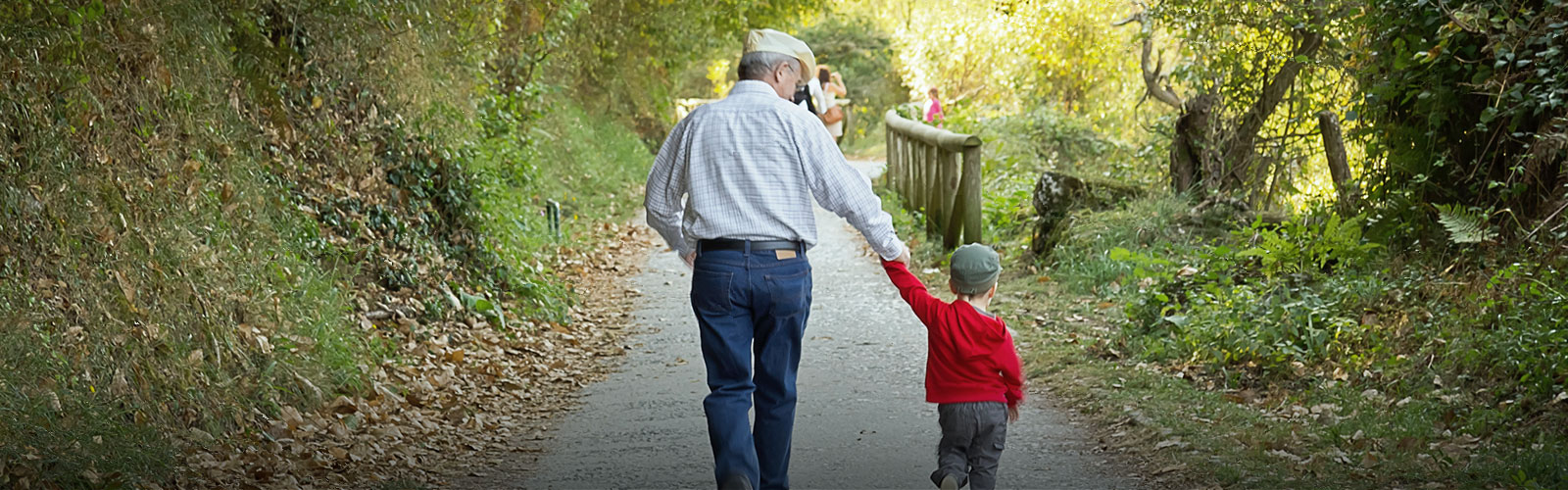
Walking remains one of the best exercises for heart health and joint mobility. The key for arthritis sufferers is the terrain. Stick to paved paths, flat sidewalks, or level garden trails. Even a 10-minute stroll can make a difference. Always wear supportive shoes and look for routes with plenty of benches for rest breaks.
2. Container Gardening
Traditional gardening often involves difficult kneeling and bending. Container gardening brings the hobby to you. Using raised planters or pots on tabletops allows you to tend to your favorite flowers or herbs from a comfortable seated or standing position. Ergonomic, large-grip tools can further reduce strain on hands and wrists.
3. Gentle Outdoor Stretching
A quiet patio or a shaded bench is an ideal spot for a morning stretch. Focus on slow, controlled movements like shoulder rolls, ankle circles, and seated leg extensions. This helps "wake up" the joints and improves circulation without the impact of more vigorous exercise.
4. Tai Chi or Balance Exercises
Often called "meditation in motion," Tai Chi is world-renowned for improving balance and flexibility in seniors. Its flowing, low-impact movements are incredibly kind to arthritic joints. If you are new to balance work, practice near a sturdy railing or chair for added security.
5. Water-Based Movement
Buoyancy is a senior's best friend. In a pool, the water supports most of your body weight, taking the pressure off your hips, knees, and feet. Gentle water walking or leg lifts allow for resistance training that feels weightless, significantly reducing the risk of inflammation after your workout.
6. Birdwatching and Nature Walks
Activity doesn't always have to be about "fitness." Birdwatching or nature photography encourages you to move at a relaxed pace, stopping frequently to observe your surroundings. This promotes mindfulness and ensures you aren't overtaxing your joints in the pursuit of a step count.
7. Light Yard Games
Social connection is vital for healthy aging. Games like bocce, bean bag toss, or modified shuffleboard offer gentle movement disguised as fun. These games can easily be adjusted for different ability levels, ensuring everyone can participate comfortably.
Tips for Staying Safe and Comfortable
To make the most of your time outside, keep these expert tips in mind:
- Always wear supportive shoes with non-slip soles.
- Exercise during cooler hours (early morning or early evening) to avoid heat exhaustion.
- Protect your skin and eyes with sunscreen, hats, and UV-rated sunglasses.
- Hydrate frequently, even if you don't feel thirsty.
- Listen to your body—rest before pain or fatigue sets in.
- Use assistive devices like canes or walkers if they help you feel more confident.
Small Steps Add Up
Managing arthritis is about finding a balance between activity and rest. Small, consistent steps truly add up over time. By incorporating these gentle outdoor activities into your routine, you aren't just moving your joints; you're reclaiming your independence and enjoying the vibrant world around you.
Remember, the best activity is the one you enjoy enough to do tomorrow. Whether it's a short walk or a few minutes in the garden, every bit of movement supports a healthier, happier you. Step outside today and see how much better you can feel.


